Grieving Healing Workbook: A Comprehensive Guide to Emotional Recovery
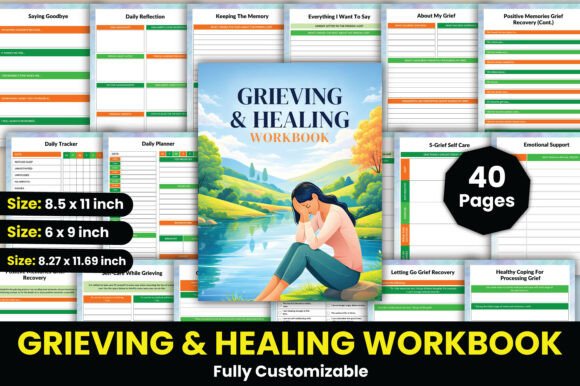
The Grieving Healing Workbook is a meticulously designed resource tailored for individuals navigating the complex journey of grief. It serves as a structured yet flexible tool to help users process their emotions, develop healthy coping mechanisms, and gradually move toward emotional healing. This workbook stands out due to its comprehensive content, ease of customization, and adaptability to individual needs.
What Makes the Grieving Healing Workbook Unique?
Unlike many generic self-help books or online resources, the Grieving Healing Workbook offers a personalized approach to grief recovery. It includes a wide array of tools and exercises that cater to different stages of the grieving process. From journaling prompts to daily trackers and meditation logs, each section is crafted to support emotional well-being in a meaningful way.
One of the key features of this workbook is its editable interior. Users can easily modify the content using free Canva accounts, making it an ideal choice for those who prefer a more interactive and customizable experience. This flexibility allows individuals to tailor the workbook to their specific needs, whether they are dealing with the loss of a loved one, a major life change, or ongoing emotional distress.
Key Features of the Grieving Healing Workbook
- This Book Belongs To: A personal space for users to claim ownership and create a sense of identity within the workbook.
- Grief Recovery Healthy Rituals: Guided practices to help users establish routines that promote emotional stability and healing.
- Healthy Rituals 4 Unique Pages: Customizable pages designed to accommodate different types of rituals and personal preferences.
- Grief Recovery Roadblocks: Insightful sections that identify common obstacles in the grieving process and provide strategies to overcome them.
- Grief Recovery Assessment: A self-evaluation tool to help users understand their current emotional state and progress.
- Letting Go Grief Recovery: Exercises focused on releasing negative emotions and embracing acceptance.
- Healthy Coping For Processing Grief: Practical techniques to manage stress and maintain emotional balance.
- Daily Tracker: A visual tool to monitor daily emotions, thoughts, and activities.
- Weekly Planner: A structured overview of weekly goals and reflections to keep users on track.
- Act To Help Others: Encourages users to engage in acts of kindness and community support as part of their healing journey.
- 5-Grief Self Care: A framework for prioritizing self-care during times of emotional turmoil.
- Emotional Support: Resources and prompts to foster connection and support from friends, family, or support groups.
- Saying Goodbye: Guided exercises to help users find closure and honor their memories.
- Daily Reflection: Prompts for thoughtful consideration of emotions and experiences throughout the day.
- Keeping The Memory: Tools to preserve cherished memories and maintain a sense of connection.
- Everything I Want To Say: A dedicated space for expressing unspoken feelings and thoughts.
- About My Grief: A reflective section to explore the nature and impact of grief on personal life.
- Positive Memories Grief Recovery: Activities to focus on positive experiences and memories associated with the loss.
- Self-Care While Grieving: Strategies to maintain physical and mental health during the grieving process.
- Grief Recovery Timeline: A visual representation of the grieving journey and milestones.
- Gratitude Journal: Prompts to cultivate appreciation and positivity despite difficult emotions.
- Positive Thoughts: Exercises to challenge negative thinking patterns and replace them with constructive perspectives.
- Self-Care Log: A record of self-care activities and their impact on emotional well-being.
- Keeping Busy: Suggestions for engaging in productive activities to distract from overwhelming emotions.
- Behavior Tracker: A tool to monitor and reflect on daily behaviors and their emotional impact.
- Dysfunctional Thoughts Record: A space to identify and reframe harmful thought patterns.
- Habit Tracker: A guide to developing positive habits that support long-term emotional health.
- Sleep Tracker: A tool to monitor sleep patterns and improve rest during the grieving process.
- Period Tracker: A specialized section for tracking menstrual cycles and emotional fluctuations.
- Meditation Log: A space to document meditation sessions and insights gained.
- Vision Board: A creative tool to visualize goals and aspirations for the future.
- My Journal: A general-purpose journal for free-form writing and reflection.
- Notes Files: Additional pages for notes, reminders, and personal reflections.
Comparing the Grieving Healing Workbook with Other Options
When evaluating grief recovery resources, it's important to consider both the depth of content and the level of customization available. Many traditional grief workbooks offer valuable insights but often lack the flexibility needed to adapt to individual needs. In contrast, the Grieving Healing Workbook provides a balance between structure and personalization, making it a versatile option for a wide range of users.
Some alternatives may focus more on specific aspects of grief, such as cognitive-behavioral therapy (CBT) techniques or mindfulness practices. While these approaches can be effective, they may not offer the same breadth of tools as the Grieving Healing Workbook. Additionally, digital platforms may provide interactive features, but they often lack the tactile and reflective qualities that many users find beneficial in a physical workbook.
The Grieving Healing Workbook also stands out in terms of accessibility. With the ability to edit content using Canva, users can create a version that aligns perfectly with their lifestyle, beliefs, and emotional needs. This level of customization is rarely found in other grief recovery resources, making it a standout choice for those seeking a personalized approach.
When Is the Grieving Healing Workbook the Right Choice?
The Grieving Healing Workbook is particularly well-suited for individuals who value a holistic and adaptable approach to grief recovery. It is ideal for those who may not have access to professional counseling or prefer to take a self-guided path. Its comprehensive structure makes it a valuable resource for people at various stages of the grieving process, from initial adjustment to long-term healing.
Additionally, the workbook is beneficial for those who prefer a hands-on, interactive format. The inclusion of multiple templates and customizable pages ensures that users can engage with the material in a way that feels most meaningful to them. Whether someone is dealing with the loss of a loved one, a significant life transition, or ongoing emotional challenges, the Grieving Healing Workbook offers a supportive and structured environment for healing.
Limitations and Considerations
While the Grieving Healing Workbook is a powerful tool, it is important to recognize its limitations. It is not a substitute for professional mental health care, especially in cases of severe or prolonged grief. Individuals experiencing symptoms such as persistent depression, anxiety, or suicidal thoughts should seek guidance from a licensed therapist or counselor.
Furthermore, the effectiveness of the workbook depends largely on the user’s commitment and engagement. Like any self-help resource, it requires active participation and reflection to yield meaningful results. Some users may find the extensive content overwhelming, so it is advisable to start with specific sections that resonate most with their current emotional state.
Conclusion
The Grieving Healing Workbook is a thoughtfully designed resource that offers a comprehensive and adaptable approach to grief recovery. Its combination of structured exercises, customizable pages, and practical tools makes it a valuable asset for anyone navigating the complexities of grief. Whether used as a standalone resource or in conjunction with professional support, this workbook provides a supportive framework for emotional healing and personal growth.